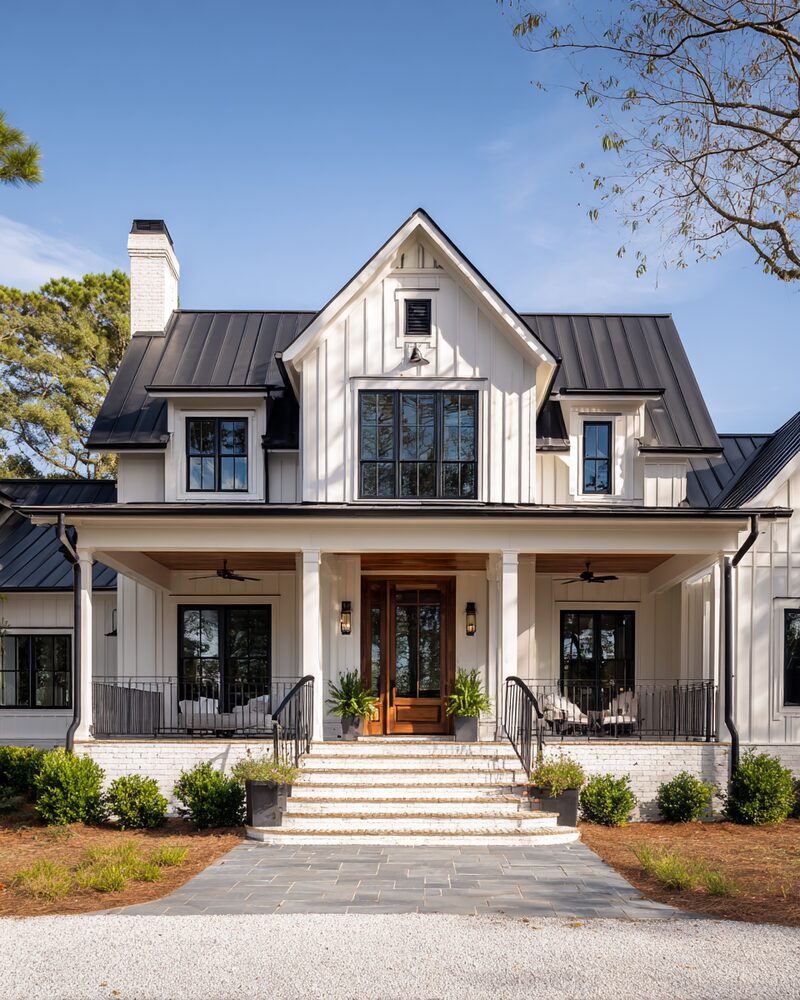
The Northeast Atlanta market is changing in ways that matter whether you plan to buy your next home or sell the one you own. Today buyers are not just paying for square footage and school zones. They are paying for convenience: walkable corridors, reliable commute routes, access to dining and green space, and connectivity to job centers across the metro area. That shift is reshaping demand and creating clear opportunities for sellers and buyers who know where to look.
Walkability is more than sidewalks and coffee shops. It is a long term value driver that affects resale, tenant interest, and day to day quality of life. Neighborhoods with short walks to grocery stores, parks, restaurants, or community hubs attract consistent buyer attention and often see faster sales and stronger offers. For sellers, modest investments that improve curb appeal and the first 15 seconds of a buyers experience can significantly amplify this advantage. For buyers, prioritizing pockets with real pedestrian conveniences helps protect future value and reduces lifestyle tradeoffs.
Commuter access remains critical for many Northeast Atlanta buyers. Proximity to GA 400, I 285, Peachtree Industrial Boulevard, and key arterials matters for resale and for the practical rhythms of daily life. Properties that offer multiple commute options, predictable drive times, and reasonable access to job centers stand out on listing sheets and in buyer searches. This is particularly true for buyers balancing hybrid work schedules who still need efficient routes for in office days or weekend travel.
Local amenities add layers of value that compound over time. Strong public and private schools, neighborhood parks, community pools, and active civic associations contribute to market stability. Retail corridors that are growing or being revitalized often signal future demand, and smart buyers watch small public investments and private projects as early indicators of rising value. Sellers who highlight proximity to these amenities in listing descriptions and photography capture more clicks and stronger showings online.
Today digital impressions matter more than ever. Listings with great mobile friendly photos, clear floor plans, and short video walk throughs consistently attract more qualified buyers. SEO friendly listing descriptions that mention neighborhood names, amenity keywords, commute routes, and school districts help homes appear in targeted searches. If you plan to sell, a clear, searchable listing that speaks to both lifestyle and logistics turns browsers into buyers.
Pricing strategy in Northeast Atlanta has evolved from simple comps to a blended approach that includes microtrends. Comparable sales remain the backbone of valuation, but successful pricing now factors in recent neighborhood improvements, pending commercial development, and buyer preferences like open floor plans and outdoor living spaces. Sellers who price to current buyer demand often see multiple-showing windows that lead to competitive offers. Buyers should monitor price trends in focused pockets rather than large areas to spot true value opportunities.
Renovation decisions should be strategic. Cosmetic upgrades like fresh paint, modern lighting, and updated kitchen hardware yield strong returns. Focus investments on high impact areas: kitchen, primary bath, and landscaping. Avoid overbuilding for the immediate neighborhood; the best renovations align with local standards and buyer expectations. For buyers, evaluate a renovation plan against potential resale value and time to recover costs in a typical Northeast Atlanta sale window.
Inspections, disclosures, and local ordinances matter more than ever. Sellers who pre-inspect and address known issues reduce friction during the contract period and increase buyer confidence. Buyers should understand typical area concerns such as drainage, roof age, and HOA rules. Clear communication about these items shortens closing timelines and reduces last minute renegotiations.
Financing flexibility can be a deal maker. Buyers with pre-approval and strong contingency plans perform better in competitive pockets. Sellers benefit when buyers demonstrate solid financing or cash readiness. Work with local lenders who understand Northeast Atlanta pricing trends and can offer realistic timeline guidance for appraisals and loan conditions.
Timing still matters, but local timing matters more. Seasonal patterns vary by pocket and inventory cycles can be influenced by school calendars, local developments, and interest rate shifts. A neighborhood specific approach to timing will yield better outcomes than a broad metro wide strategy. Tracking days on market, pending-to-list ratios, and recent sale price to list price percentages in the specific communities you care about offers a clearer picture of the best time to act.
Whether you are preparing to list or searching for a home to buy, local expertise makes the difference between a good move and a great one. If you want a practical market assessment for your neighborhood, tailored renovation recommendations, or active buyer representation in Northeast Atlanta, call Brad Huber at 404-405-7027 or visit
BradSellsGA.com to learn more about current listings, recent sales, and the specific strategies that work right now in our communities.
