Home improvements can feel overwhelming when you are trying to buy or sell in Northeast Atlanta. Some projects drain your budget and deliver little market value, while others create lasting demand across neighborhoods from established subdivisions to newer developments. This guide highlights renovation choices that tend to deliver the strongest returns over a ten year horizon and how buyers and sellers can evaluate those improvements when comparing properties.
Why long term value matters in Northeast Atlanta
Short term trend projects can help when you need a quick sale, but long term value is what protects equity and attracts steady buyer interest as neighborhoods shift. In Northeast Atlanta, factors like school boundaries, commute corridors, access to retail and dining, and local infrastructure upgrades mean buyers consistently reward homes with durability, energy efficiency, and flexible living spaces.
How sellers should prioritize investments
Start with improvements that reduce buyer friction and highlight functionality. These projects tend to deliver the clearest return because they remove common objections during showings and appraisals.
1) Roof, HVAC and major system repairs
- Why it matters: Buyers discount homes with imminent replacement needs. New roofs, reliable HVAC, and updated electrical panels reassure both buyers and lenders.
- Typical payoff: While these are not glamorous, they reduce days on market and protect sale price. Expect strong buyer confidence and fewer low appraisal adjustments when these items are addressed.
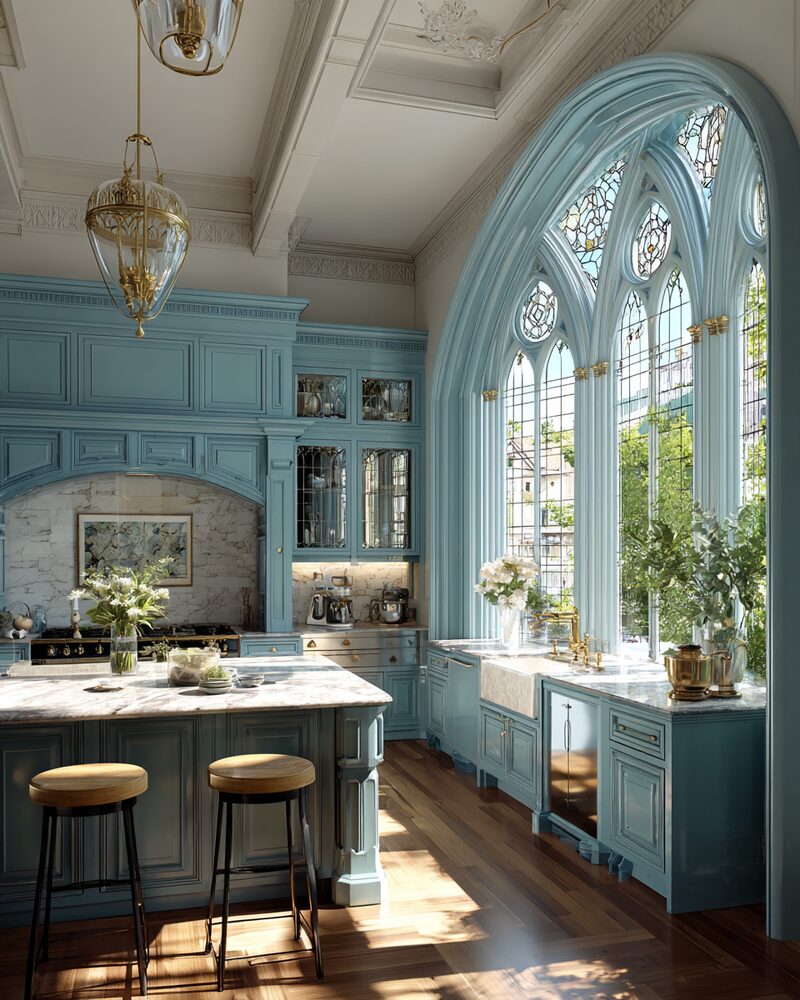
2) Kitchen updates that balance cost and style
- Why it matters: Kitchens remain a primary decision driver. Full gut remodels can be expensive; targeted updates often perform better for resale.
- Smart approach: Replace worn cabinets or refinish them, add durable countertops, modernize hardware, and ensure appliances are relatively new and energy efficient. Neutral finishes appeal to a broader buyer pool.
3) Bathroom improvements that focus on function
- Why it matters: Functional bathrooms sell houses. Address plumbing, ventilation, and safety issues first. Cosmetic refreshes like new tile and fixtures add appeal without massive expense.
4) Energy efficiency and insulation
- Why it matters: As utility costs remain top of mind, efficient homes show better long term operating costs. Buyers increasingly compare homes for heating and cooling performance.
- Actions with strong ROI: Attic insulation, ENERGY STAR appliances, heat pump upgrades, and programmable thermostats. These improvements can be promoted in listings and during showings as ongoing savings.
5) Curb appeal that complements the neighborhood
- Why it matters: First impressions start curbside. Well-maintained landscaping, a fresh front door, and clean siding or paint tell buyers the home has been cared for. In many Northeast Atlanta neighborhoods, curb appeal sets the tone for perceived value.
6) Flexible living spaces and home offices
- Why it matters: Buyers want rooms that adapt over time. Converting underused areas into functional home offices, playrooms, or multiuse spaces increases a property's appeal across buyer types.
7) Smart but permitted expansions
- Why it matters: Adding a bedroom, finishing a basement, or building an accessory dwelling unit can pay off when done within zoning and community covenants. Always check permit history and HOA rules. Permitted work avoids future headaches for buyers and appraisers.
What buyers should look for in renovated homes
When touring updated properties in Northeast Atlanta, buyers should verify quality and longevity, not just aesthetics.
- Confirm permits: Ask to see permits for any major renovation. Unpermitted work can create insurance and resale issues.
- Check systems age: Even with attractive finishes, aging HVAC, roof, or electrical systems signal upcoming costs.
- Understand maintenance: Good renovations reduce immediate maintenance, but ask for warranties and contractor information when available.
- Consider neighborhood fit: A high-end update in a modest block may not return the same premium as in a higher tier pocket. Evaluate comparable sales in the micro-market.
Timing improvements for stronger sales
- Seasonal staging: Fresh paint and landscaping in spring and early summer often make the best impression.
- Market awareness: If inventory is low, strategic cosmetic updates can help your listing stand out. If the market is price sensitive, focus on systems and evidence of low ongoing costs.
Common renovation mistakes to avoid
- Over personalization: Bold color schemes or extreme design choices limit buyer appeal. Neutral palettes and quality finishes are safer.
- Ignoring permits and code: Shortcuts create liability and can suppress offers.
- Over-improving for the block: A top-tier renovation in a low-tier micro-market often does not recover full cost. Match upgrades to comparable properties.
How to measure potential return on investment
Compare recent comparable sales in your neighborhood and focus on median sale price trends for homes with similar
