Whether you are buying your first home, upgrading, downsizing, or selling to capture equity, Northeast Atlanta presents a mix of long term value and lifestyle options. This guide points to practical actions you can take today that will still matter years from now when you evaluate neighborhoods like Alpharetta, Johns Creek, Roswell, Dunwoody, Sandy Springs, Peachtree Corners, Brookhaven, Chamblee and surrounding pockets of growth. Read on for data driven ideas, neighborhood signals to watch, renovation tips with solid returns, and simple steps to make offers and listings stand out in a competitive marketplace.
Start with a neighborhood goal not just a house checklist. Northeast Atlanta is made up of micro markets: tree lined suburbs with top rated schools, transit accessible pockets near Marta and commuter corridors, and newer mixed use developments around retail and dining. Decide which of the following matters most to you: commute time, school zoning, lot size and yard, walkability to restaurants and parks, or future resale potential. Prioritizing one or two will speed your search and make offers more targeted when inventory is thin.
Use local market signals that actually predict near term price movement. Look at inventory measured in months, not just number of listings. Track median days on market and sale to list price ratio in the specific zip codes you care about. Compare recent comparable sales within a half mile and within the same school zone, not the larger county because local pricing varies block by block. Public tools and the MLS provide this data; an agent experienced in Northeast Atlanta can turn it into actionable guidance.
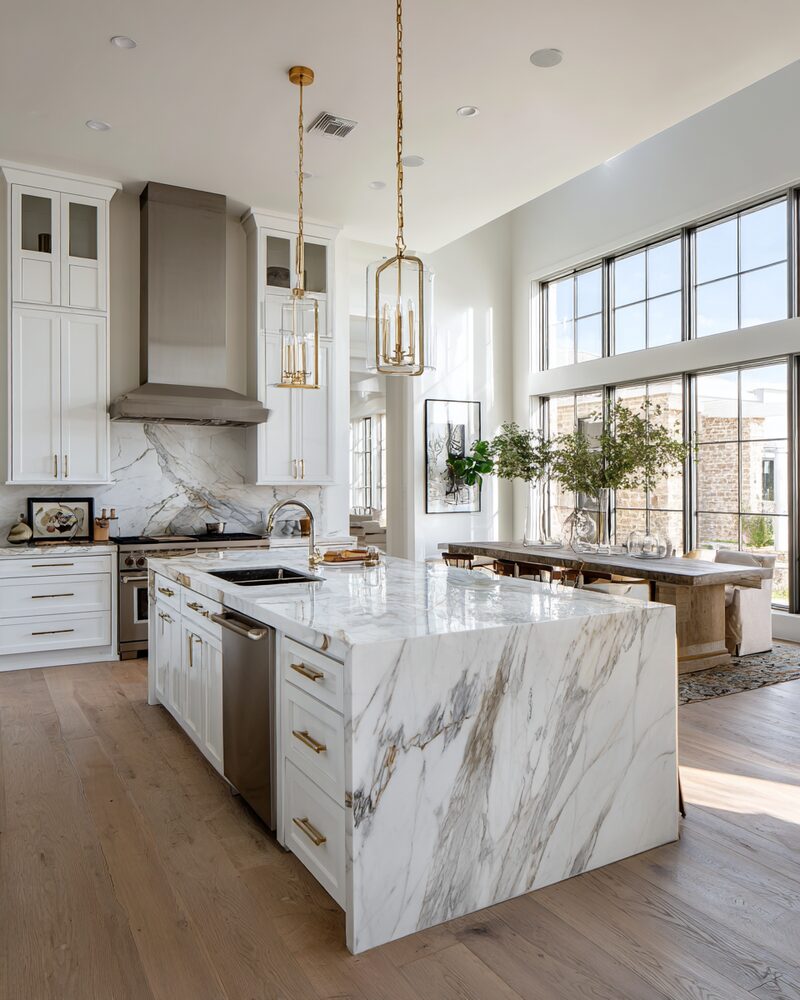
Price with strategy when selling. The home that is priced clearly in line with local comparables and presented for modern buyers moves faster and often achieves better net proceeds. Small but visible updates matter: fresh neutral paint, replaced hardware on kitchen and bathrooms, deep cleaned carpets or refinished floors, and staged common areas. Curb appeal is still one of the highest return items so invest in landscaping lighting and a welcoming entry. When you price too high you limit buyer showings; when you price too low you leave money on the table. Use recent sold data in your exact neighborhood and test buyer response in week one to adjust quickly.
Renovations that pay are usually kitchens, bathrooms, and energy efficient upgrades. But in Northeast Atlanta, focus on improvements that match the neighborhood standard. In older established pockets a high quality kitchen remodel can be a differentiator; in newer developments modest aesthetic updates often recover costs faster. Additions that increase usable square footage like finished basements or primary suite conversions typically show strong long term value if built to code and with quality finishes.
Buyers should write offers that reflect local sentiment. In busy pockets with limited inventory, a strong pre approval, flexible closing timeline and fewer contingencies can make your offer stand out. But do not skip an inspection—use inspection findings as a negotiation path rather than a full deal breaker unless there are serious structural or safety concerns. If multiple offers are likely, include a personal note that explains why you love the neighborhood while keeping all financial terms transparent.
School zones still shape neighborhood desirability and resale. For families, proximity to top elementary and middle schools drives search behavior. Even if you are childfree, homes in strong school zones tend to retain value better over cycles because they attract a wider buyer pool. Confirm boundary lines with the local district before finalizing any purchase because lines can change over time.
Watch infrastructure and development plans. Projects such as road improvements, new transit options, commercial infill or planned parks can raise demand. Conversely, proposals for high density development near a quiet residential pocket may affect values. Check county planning resources and community meetings to understand what is planned near the homes you are considering.
Financing trends affect timing. Interest rates influence buyer purchasing power and seller pricing expectations. If you are a buyer, lock rate options when you identify a home you want. Sellers should be aware that elevated rates can reduce buyer competition; pricing and pre marketing strategies that broaden the buyer pool will help. Work with local lenders who know Northeast Atlanta lending patterns and typical buyer profiles to structure offers that close reliably.
Staging and professional photography remain powerful. Most buyers begin online, so how a home looks in photos directly affects showings. Neutral styling, decluttering, and spotlighting outdoor living areas for the Atlanta climate can increase interest and shorten time on market. For buyers, imagine staging possibilities when touring so you can visualize the property as your future home rather than someone else's.
Use a local agent who combines neighborhood experience with modern marketing. The agent you choose should know the subtleties of each micro market, have up to date MLS and off market resources, and be able to prepare a data backed pricing and negotiation plan. If you want a personalized market analysis or to discuss current conditions in your neighborhood, call Brad Huber at 404-405-7027 or visit
www.bradsellsga.com to see recent listings and sales that tell the real story about value in Northeast Atlanta.
Small actions today produce long term benefits. Whether you are buying or selling, prioritize clear goals, use neighborhood level data, focus on high impact updates, and partner with a trusted local expert who can translate market signals into results. The right strategy for your property in Northeast Atlanta today will help you capture value for years to come. If you want a local conversation or a custom plan for your home search or sale, I am available to help—reach out to Brad Huber at 404-405-7027 or visit
www.bradsellsga.com.
