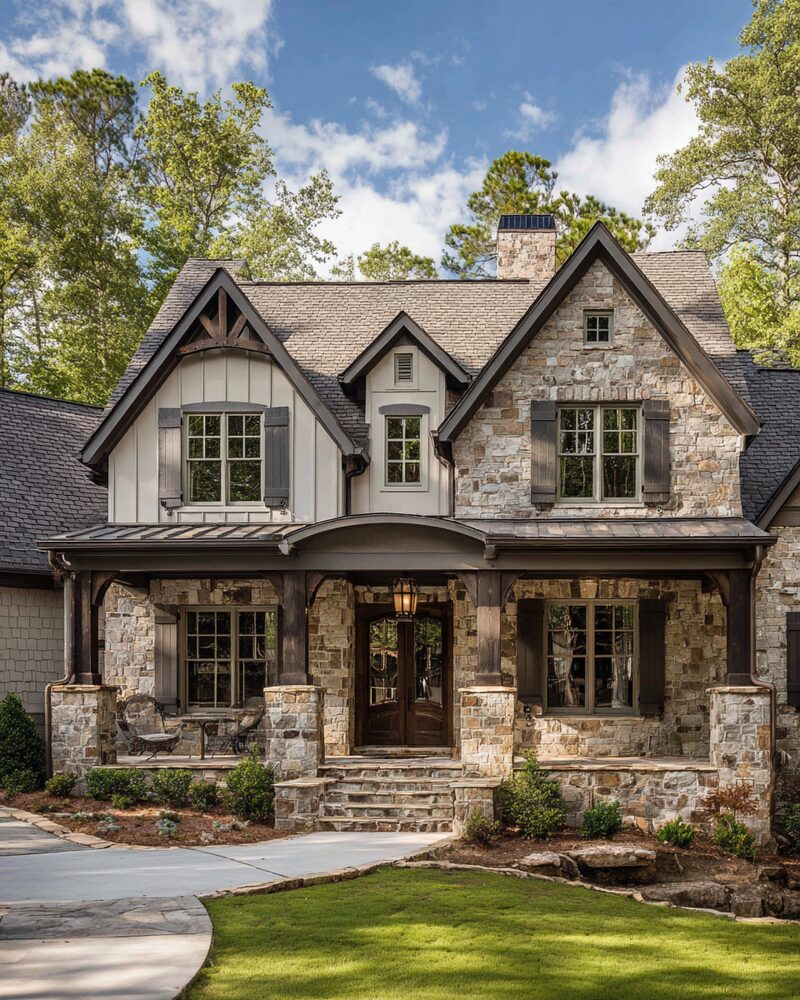
Spring and fall bring the most visible shifts in Northeast Atlanta real estate, but smart buyers and sellers know that seasonal strategy goes deeper than curb appeal and open house traffic. Whether you are looking to sell a family home in Suwanee, buy a lakeside property near Flowery Branch, or invest in a rental in Johns Creek, understanding how timing affects pricing, buyer behavior, and financing can save you time and money now and for years to come.
Start by matching your goal to the local season. Sellers benefit from listing when inventory is thin and comparable homes are attracting buyers—this often means late winter to early spring in Northeast Atlanta for families trying to settle before school starts. Buyers can take advantage of mid-summer lulls or winter bargains when motivated sellers reduce competition, but must be prepared with financing and a rapid decision process.
Price and preparation are a seasonal one-two punch. For sellers, a timely, market-driven price plus staged interior and curb improvements will generate strong interest during peak months. Consider a pre-listing inspection in advance of busy seasons to remove buyer objections and shorten contingency windows. For buyers, seasonal testing of HVAC, roof, and flood-prone areas (especially near Lake Lanier and low-lying neighborhoods) will surface issues that sellers might postpone addressing.
Mortgage conditions and seller expectations shift throughout the year. Lenders and appraisers remain constant, but buyer demand fluctuates. When rates are higher, buyers move slower and contingencies tighten; when rates improve, multiple-offer situations return quickly. Keep a pre-approval current and maintain communication with your lender so you can act immediately when a well-priced Northeast Atlanta property appears.
Neighborhood factors matter as much as the calendar in Northeast Atlanta. Top-performing school zones, proximity to commuter corridors like GA 400, access to parks and Lake Lanier, and new retail or office development all affect resale value. If you are selling in neighborhoods like Duluth, Peachtree Corners, or Flowery Branch, highlight these long-term benefits in your listing to stand out in seasonal surges.
Small seasonal investments can yield outsized returns. Sellers should prioritize neutral interior paint, landscaping that complements the season, and professional photography timed for peak foliage or greenery. Buyers should budget for seasonal maintenance costs and consider timing inspections to reflect seasonal stressors—like inspecting basements after heavy rain or HVAC systems before summer.
For investors and long-term buyers, focus on fundamentals rather than month-to-month timing. Evaluate rental demand near employment hubs, school performance, HOA rules, and future zoning or infrastructure projects. A property bought in an off-peak month can outperform a hurried spring purchase if the underlying neighborhood fundamentals are strong.
How to handle offers by season. In peak months expect stronger competition and craft offers that balance price, inspection windows, and closing flexibility. In slower months you can negotiate repairs, seller concessions, or timing to secure better terms. Always consult a local agent who tracks Northeast Atlanta micro-market trends and can provide timely comparables.
Local market intelligence makes timing practical. Track days on market, median sale price by neighborhood, and active inventory trends in cities like Suwanee, Johns Creek, Alpharetta, and Flowery Branch. These metrics tell you whether the current season favors buyers or sellers and help you choose the optimal week to list or make an offer.
If you want a neighborhood-specific seasonal plan for buying or selling in Northeast Atlanta, reach out and we can build one tailored to your timeline and goals. Call Brad Huber at 404-405-7027 or visit
www.bradsellsga
