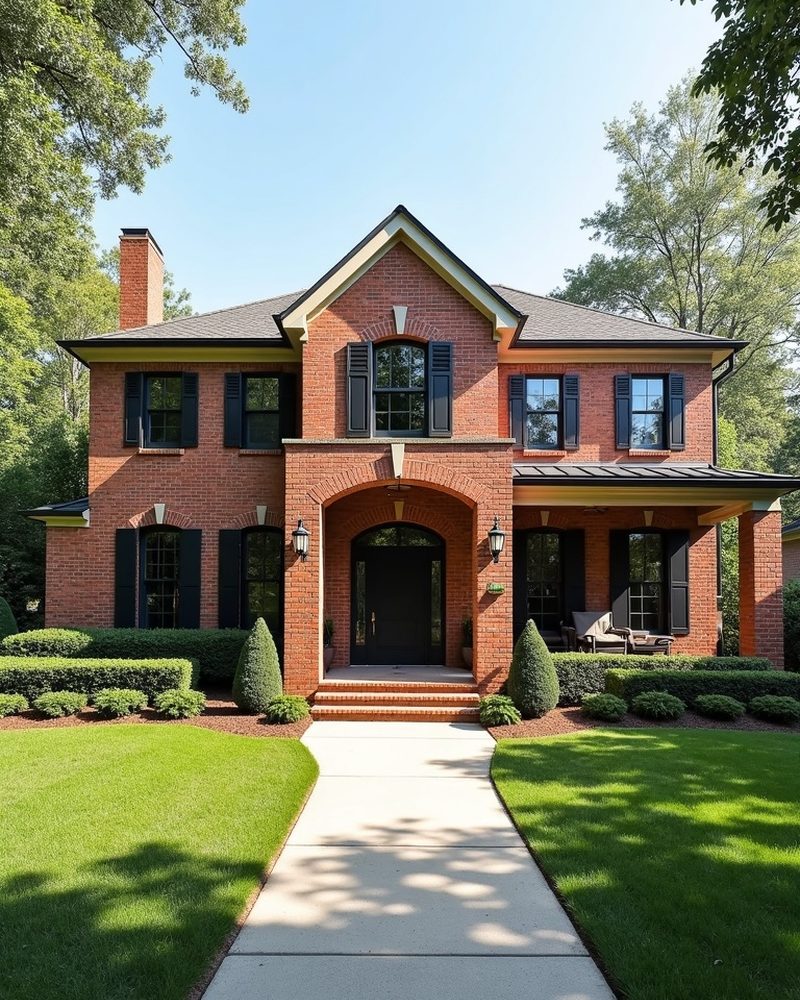
Finding the right home or selling for top dollar in Northeast Atlanta today means paying attention to a mix of modern conveniences, long term risk factors, and small street level details that buyers notice first. Whether you plan to buy, sell, or hold property for years, the combination of internet access, flood risk, lot orientation, and local rules can influence price, time on market, and future resale more than many big-ticket renovations.
Internet and connectivity are no longer optional checklist items. Fast reliable service from fiber or fixed wireless directly impacts appraisal comps for remote workers, streaming households, and home offices. When you evaluate a Northeast Atlanta address, check available providers, real world speeds at different times of day, and whether the street has recent infrastructure upgrades. Sellers should advertise verified speeds in listings and buyers should confirm service at the specific property, not just the neighborhood.
Floodplain and insurance realities drive real costs that buyers must factor in and sellers need to disclose early. Many Northeast Atlanta buyers assume flood risk only applies near major rivers, but small creeks, drainage basins, and older storm systems can produce higher premiums and retrofit costs. Confirm FEMA maps, recent storm claims, and elevation certificates where applicable. A seller who provides up front documentation about mitigation measures and historical claims reduces friction and increases buyer confidence.
Lot orientation and usable outdoor space matter more than square footage alone. Front yard appeal, backyard privacy, and how sunlight hits living spaces change how buyers perceive usable livability. South facing backyards, level lots for potential additions, and mature tree buffers add value. For sellers, modest landscaping improvements that enhance privacy and curb consistency often yield better returns than wholesale renovations.
Schools, micro commutes, and local projects are evergreen drivers of demand in Northeast Atlanta. Buyers frequently focus on district names, but small differences like school start times, bus routes, and short term construction projects near a block can influence offer strength. Sellers who time listings to avoid major local disruptions and who present clear commute time samples with peak and off peak comparisons give buyers essential context.
HOA rules, zoning overlays, and pending annexations can reshape a neighborhood's appeal overnight. Confirm restrictions on rentals, exterior modifications, parking, and accessory structures before making a purchase or pricing a home for sale. Sellers should assemble HOA documents, covenants, and recent meeting minutes to answer buyer questions promptly and prevent last minute delays.
Small upgrades buyers notice first are low cost and high impact. Fresh paint, modern light fixtures, functioning outlets in key rooms, and clear, well lit closets translate to faster offers. Kitchens and baths still matter, but targeted improvements like new hardware, updated faucets, and smart thermostats can move a listing ahead of comparable homes that need attention.
Property tax assessment history and appeal options matter to both sides of a transaction. Buyers need to budget for likely taxes and potential reassessment, while sellers can highlight recent successful appeals or provide comparable assessment data that shows fair market alignment. Small discrepancies between assessed value and market comps are common in growing suburbs and can be turned into a negotiating point.
A practical checklist to use at showings or open houses includes: confirmed internet provider and speed test, flood risk documentation, elevation or insurance history, HOA covenants, recent utility bills, visible drainage and grading, sun exposure for main living areas, and any deferred maintenance that will show up on inspections. Bring these items to your agent meeting and ask for a neighborhood snapshot that includes planned road work or development.
Markets evolve, but the combination of connectivity, climate risk, lot utility, and clear paperwork will keep a home competitive in Northeast Atlanta for years. If you want a tailored neighborhood analysis, a pre listing checklist, or help identifying blocks that match your priorities, call Brad Huber at 404-405-7027 or visit
www.bradsellsga.com for localized guidance and up to date market insight.
